Artificial Intelligence (AI) is transforming multiple industries, and education is no exception. One of the most significant advancements AI brings to the table is personalized learning. By leveraging data-driven insights and adaptive learning techniques, AI is reshaping how students acquire knowledge, ensuring that education is more engaging, efficient, and tailored to individual needs.
Adaptive Learning for Individualized Instruction
Traditional education follows a one-size-fits-all approach, which can leave some students struggling while others are unchallenged. AI-driven adaptive learning systems analyze students’ strengths, weaknesses, and learning paces to create customized lesson plans. These systems adjust the content, difficulty levels, and teaching methods in real-time, providing each student with an optimized learning experience.
Intelligent Tutoring Systems
AI-powered tutoring systems act as virtual assistants, offering real-time feedback, explanations, and step-by-step guidance. Unlike human tutors, these AI systems are available 24/7, ensuring students receive immediate support whenever they need it. Programs like Carnegie Learning’s AI-based tutors and Duolingo’s language-learning AI adapt to students’ responses, making learning more effective and interactive.
Data-Driven Insights for Educators
AI not only benefits students but also empowers educators by providing detailed analytics on student performance. These insights help teachers identify learning gaps, predict potential struggles, and offer targeted interventions. By analyzing vast amounts of student data, AI can highlight patterns that might go unnoticed in traditional classroom settings, allowing for more informed teaching strategies.
Enhancing Engagement Through Gamification and VR
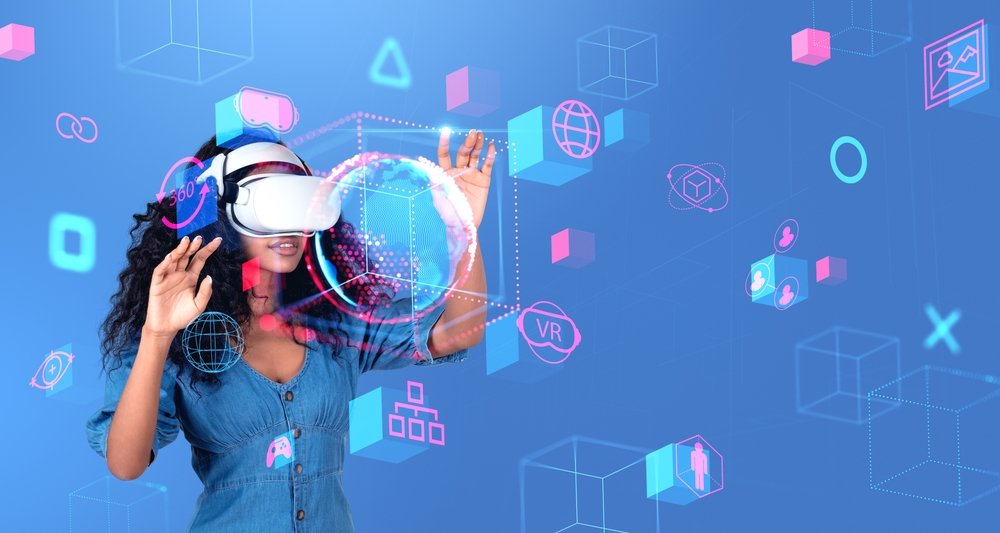
AI-driven learning platforms incorporate gamification elements, such as rewards, leaderboards, and challenges, to keep students motivated. Additionally, Virtual Reality (VR) and AI-powered simulations enable immersive learning experiences, making complex subjects more accessible and engaging. This is particularly valuable in fields like science, medicine, and engineering, where hands-on practice is crucial.
Breaking Language Barriers with AI Translators
Language can be a significant barrier to education, especially for students in multilingual classrooms. AI-powered translation tools, like Google Translate and Microsoft Translator, enable seamless real-time translations, allowing non-native speakers to grasp concepts more effectively. AI is also improving speech recognition for language learning, helping students perfect pronunciation and fluency.
Challenges and Ethical Considerations
While AI in education presents numerous benefits, it also raises concerns regarding data privacy, bias in algorithms, and the digital divide. Ensuring that AI-driven educational tools are accessible to all students, regardless of their socioeconomic background, is essential. Moreover, maintaining human oversight in AI-powered learning environments is crucial to balance technology with the emotional and social aspects of education.
Conclusion
AI is revolutionizing personalized learning by making education more adaptive, engaging, and efficient. Through intelligent tutoring, real-time feedback, gamification, and data-driven insights, AI ensures that students receive a tailored learning experience that meets their unique needs. While challenges remain, the future of AI-driven education holds immense potential to create a more inclusive and effective learning environment for students worldwide.